
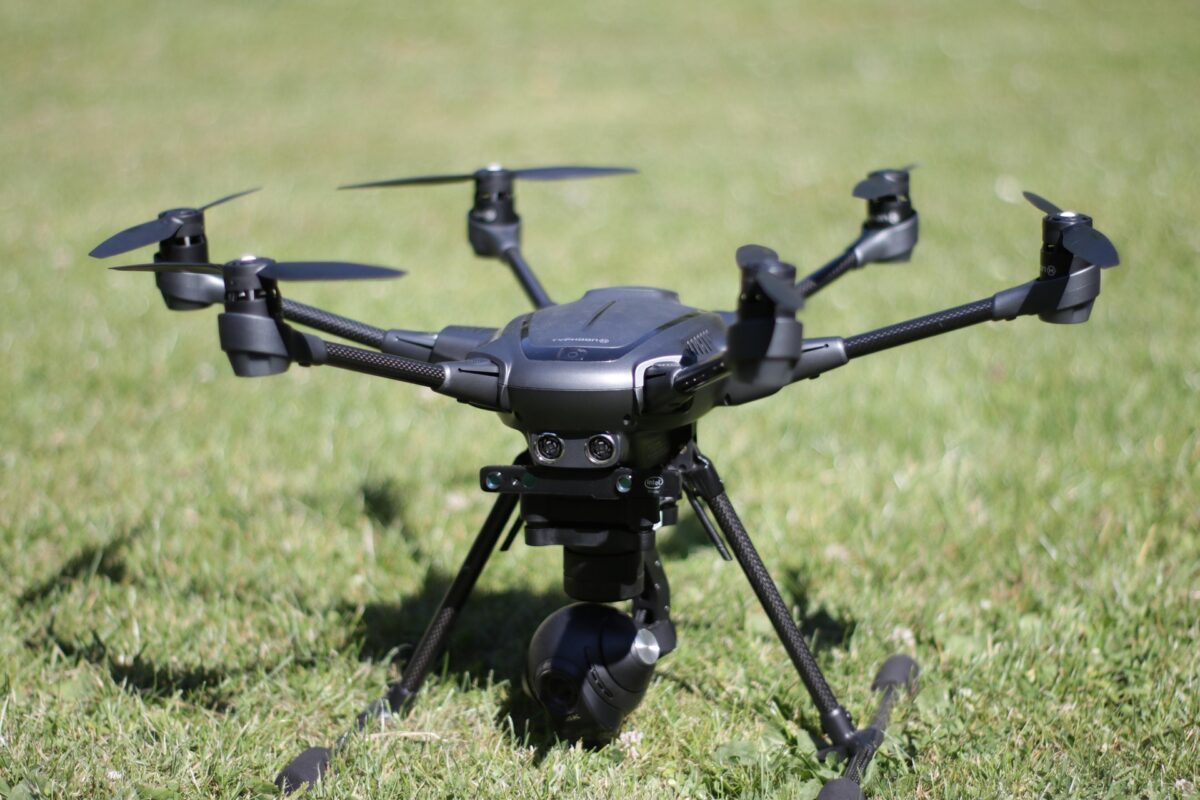
There was a time when a wedding photographer showed up with one camera, took a few hundred photos, and handed over a printed album a few months later. That world is gone. Today’s weddings come with shot lists modeled on film sets: a primary photographer, a second shooter, a videographer, a drone operator, and increasingly, a dedicated “content creator” whose entire job is producing reels for Instagram and TikTok before the reception is even over.
Weddings haven’t just been documented anymore. They’ve been produced — and the trend just got its biggest showcase yet. When Taylor Swift and Travis Kelce married at Madison Square Garden on July 3, 2026, a professional film crew was reportedly on site throughout the event, fueling speculation that Swift is assembling the footage into some kind of documentary or streaming special. Guests were reportedly asked to sign NDAs, and at least one attendee described a no-phone policy inside the venue, meaning most of what the public knows so far comes from leaked footage and secondhand accounts rather than an official release. It’s a celebrity-scale version of something that’s now happening, in miniature, at ordinary weddings everywhere.
From Keepsake to Content Calendar
The shift didn’t happen overnight. It tracks almost exactly with the rise of visual social platforms. Once Instagram made weddings shareable in real time, and TikTok made short-form video the default way people consume other people’s lives, the wedding day stopped being just an event for the guests in the room. It became a piece of content built for an audience that might number in the thousands and will never set foot near the venue.
That changes the incentives. A first look isn’t just an emotional moment between two people anymore — it’s a shot that needs the right light, the right angle, and often a retake if the framing was off. A grand entrance isn’t just an entrance; it’s a sequence engineered for a highlight reel. Couples are now explicitly requesting vertical, mobile-optimized edits, a format decision driven entirely by how the footage will be consumed on social platforms rather than at home.
The New Wedding Vendor Lineup
The industry has adapted fast. “Wedding videographer” used to mean a single person with a tripod in the back of the room. Now it’s common to see a same-day-edit specialist who cuts a polished highlight video to play at the reception itself, a social-media content creator hired specifically to shoot vertical, platform-native video separate from the “real” wedding film, a drone operator for the sweeping aerial shots that have become a genre unto themselves, and often multiple photographers working in shifts to cover getting-ready, ceremony, and reception without missing anything.
Roughly a fifth of couples who married in 2025 hired a dedicated social-media content creator on top of their regular photography and videography — a category of vendor that barely existed a decade ago. Same-day and next-day highlight edits, once a rare premium add-on, are now described as a mainstream expectation rather than a luxury, a shift borne out in trend forecasts across the industry. Some vendors have pushed back on the idea that “content creator” is even a distinct role, arguing that what’s being marketed as a cheaper alternative to videography — candid, behind-the-scenes, fast-turnaround footage — is simply what wedding filmmakers have always done, now repackaged for a social-media-literate market.
Performing Intimacy for an Audience
This raises a genuinely interesting question: what happens to a private moment once it’s built to be watched by strangers?
Couples describe feeling like actors in their own wedding — hitting marks, redoing a kiss because the lighting wasn’t right, pausing a toast so a camera operator can reposition. The emotional core of the day is still there, but it now competes with a second job: making sure the day looks as good on a phone screen as it feels in the room.
There’s also a comparison problem. When every couple’s wedding is measured against the most viral weddings on the internet — the choreographed entrances, the surprise performances, the perfectly synced sparkler exits — ordinary joy can start to feel insufficient. The bar isn’t “did we have a beautiful day” anymore. It’s “would this get engagement.”
The Guests Are Content Creators Too
It’s not just hired vendors. Guests show up with phones ready, and many couples now request “unplugged” ceremonies specifically to stop attendees from blocking the professional shot — photographers commonly cite raised phones in the aisle and camera flashes as recurring problems, and the trend has grown enough to have its own name and etiquette guides. Some couples go further and ask guests not to share any photos or footage at all until an official reveal, treating the wedding almost like an unreleased product with an embargo date — the no-phone policy and NDAs reported at the Swift-Kelce wedding are an extreme version of this same instinct.
Is This a Bad Thing?
Not entirely. There’s a real case for the content-heavy wedding: far-flung family and friends who couldn’t attend get a richer, more immediate window into the day; couples get a level of visual documentation that previous generations would have loved to have; and for some couples, planning content is itself a creative outlet, not a burden.
The tension isn’t that documentation exists — it’s where the line sits between capturing a moment and engineering one for an audience that wasn’t there. A wedding video that captures what happened is different from a wedding built around what will make a good video.
Where This Goes Next
If anything, the trend seems likely to intensify rather than fade. AI-assisted editing is now one of the fastest-growing parts of the videography business, with tools that speed up turnaround on cinematic highlight reels without sacrificing polish. At the same time, there’s a countertrend worth watching: some couples are pushing back against staged, “perfume-ad” style filmmaking in favor of documentary and photojournalistic coverage that prioritizes unscripted, candid moments over choreographed ones — one 2026 trend report puts the share of vendors seeing demand for this more candid style above three-quarters.
Even the Taylor Swift wedding captures this tension. Despite an apparent NDA-and-no-phones lockdown meant to control the narrative, leaked footage and detailed secondhand accounts from guests surfaced within a day of the ceremony— a reminder that even the most heavily produced, professionally filmed wedding can’t fully control who tells the story first.
The modern wedding hasn’t stopped being a ceremony. It’s just picked up a second identity as a media event — one with a production schedule, a delivery timeline, and an audience well beyond the guest list.